

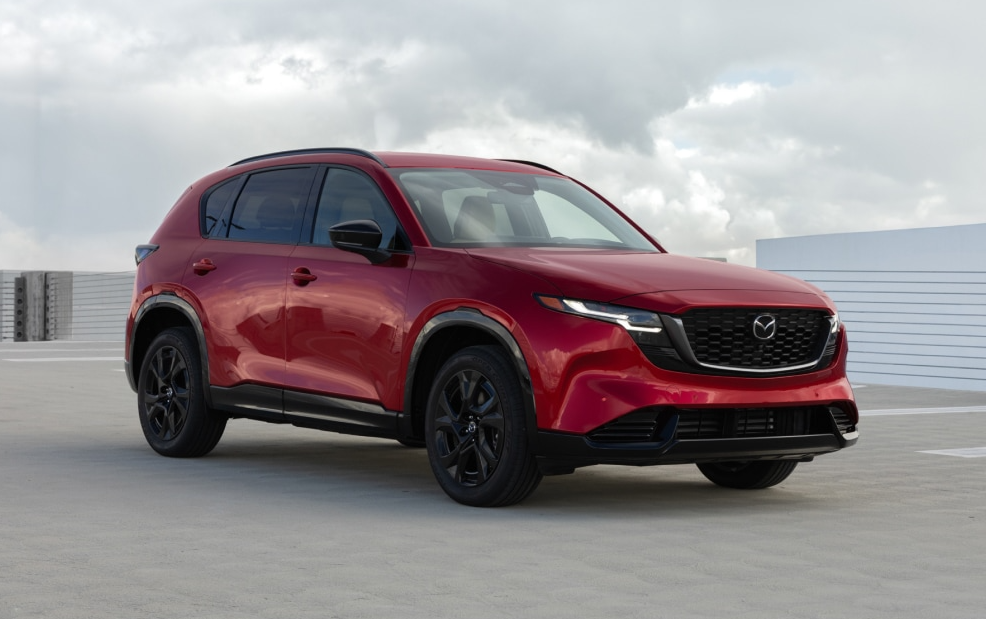
Choosing between the 2026 Mazda CX-5 and Toyota RAV4 really comes down to what matters most in your daily drive. These compact SUVs take completely different approaches to the same problem. The CX-5 focuses on refined materials and handling that actually makes driving fun. The RAV4? It’s all about hybrid efficiency and weekend adventures, which got even more important this year since Toyota ditched traditional gas engines completely.
Both vehicles received meaningful updates for 2026, but they’re targeting entirely different buyers. Figuring out where each one shines helps Pottstown drivers match the right SUV to their actual needs.
What’s New for the 2026 Mazda CX-5 and Toyota RAV4
Mazda took a practical approach this year. The cargo area grew by roughly 2 inches in length and 1 inch in height, bringing total space to 33.7 cubic feet. Loading got easier with a wider opening and lower floor. New standard safety tech includes Rear Automatic Emergency Braking and Emergency Lane Keeping. The available 15.6-inch Google Built-in display represents a significant infotainment upgrade with smooth integration. It’s not revolutionary, just Mazda polishing what already worked well.
Toyota made a much bolder move with the RAV4, dropping all conventional gas engines entirely. Every 2026 model now comes as either a hybrid (HEV) or plug-in hybrid (PHEV). The HEV delivers 226 horsepower in FWD setup or 236 horsepower with AWD’s dedicated rear electric motor. The PHEV jumps to 324 combined horsepower with up to 52 miles of electric range. This hybrid-only strategy shows Toyota’s aggressive push toward electrification.
This tells you everything about how these brands think. Mazda wants you to enjoy driving to the grocery store. Toyota wants maximum efficiency for every trip. Neither approach is wrong, they just serve different priorities. You can explore our new Mazda SUVs to see how this philosophy shapes the entire lineup.
Exterior Design and Dimensions Compared
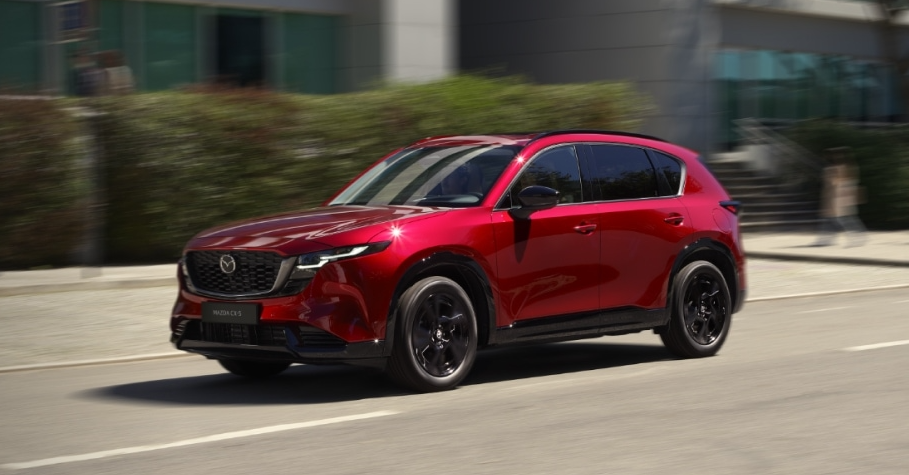
The RAV4 has that muscular, ready-for-anything look with sharp angles and flared fenders. It appears capable even if you never leave pavement. The CX-5 goes elegant instead, with flowing lines that create motion when you’re sitting still. Lower, sleeker proportions give it a sophisticated vibe that works equally well at a nice restaurant.
Size-wise, they’re pretty close. The RAV4 sits taller, the CX-5 stretches slightly longer. Both provide decent visibility, though taller passengers might feel cramped in the CX-5’s more rakish roofline. In tight parking situations, the Mazda’s lower profile makes squeezing between cars easier.
Interior Quality, Comfort, and Passenger Space
Step inside and their personalities become obvious.
Materials and Craftsmanship
The CX-5’s cabin feels like it was borrowed from a luxury car team. Soft surfaces everywhere you’d actually touch, with stitching details that add visual interest without looking overdone. Every switch operates with precise, satisfying feel. Even adjusting the climate control feels intentional and well-engineered.
Toyota built the RAV4’s interior for real life. Materials won’t show wear, buttons work with winter gloves, and surfaces clean up easily after hauling muddy gear. It’s thoughtfully designed for people who use their SUV as a tool rather than a fashion statement.
Seating Comfort and Cargo Versatility
The CX-5’s front seats hold you securely through curves without becoming uncomfortable on long drives. The driving position feels natural with everything falling easily to hand. Back seat passengers get adequate room, though the RAV4’s higher roofline provides better headroom and more upright seating.
Cargo space slightly favors the Toyota at 37.8 cubic feet versus the CX-5’s 33.7 cubic feet. But the Mazda’s lower loading height makes dealing with heavy bags easier. Either handles a family’s needs, it depends whether you want maximum space or easy loading.
Performance and Powertrain: Conventional vs. Hybrid-Only
This is where their philosophical differences become most obvious. These powertrains shape the entire driving experience beyond just fuel economy.
Engine Options and Driving Dynamics
The CX-5 keeps its naturally aspirated 2.5-liter SkyActiv-G engine making 187 horsepower and 186 lb-ft of torque, paired with a responsive six-speed automatic. This conventional setup delivers immediate throttle response and linear power that makes the CX-5 genuinely engaging on curvy roads. The steering communicates, the body stays composed through corners, and standard i-Activ AWD across all trims provides confident all-weather capability. Mazda clearly wanted people to enjoy driving it.
The RAV4’s hybrid system combines a 2.5-liter engine with electric motors for 226-236 horsepower (depending on drivetrain), managed by a CVT. The PHEV version delivers 324 combined horsepower with electric-only capability for commuters. Both hybrid systems feel refined during normal driving but lack the CX-5’s engaging character when you want some fun. The RAV4’s setup uses a dedicated rear electric motor on AWD models for instant torque distribution.
We encourage Pottstown drivers to experience these differences firsthand. Visit John Kennedy Mazda Pottstown for a test drive on Routes 422 and 100 to feel how the CX-5’s driving dynamics translate to real Pennsylvania roads.
Fuel Economy and Efficiency Considerations
The efficiency gap is substantial. The RAV4 Hybrid achieves up to 44 mpg combined (FWD models), while the CX-5 manages around 26 mpg combined. For drivers covering 15,000 miles annually, the RAV4 saves roughly $700 in fuel costs.
But hybrid models cost more upfront. Those fuel savings take several years to offset the price difference. Keep your vehicle long-term? The hybrid makes financial sense. Trading frequently or driving fewer miles? The CX-5’s lower entry price might save money overall.
The PHEV adds another layer with up to 52 miles of electric range, letting daily commuters potentially skip gas stations for routine trips. However, limited availability and higher prices make the Prime difficult to actually acquire.
Technology and Infotainment Features
Both vehicles handle modern connectivity well. The CX-5’s wireless Android Auto and Apple CarPlay work smoothly on newer trims. The standard 12.9-inch touchscreen responds quickly, and steering wheel controls provide an alternative to reaching for the screen while driving. Upper trims step up to a 15.6-inch display with Google Built-in for a more connected experience.
The RAV4 matches these features with its 10.5-inch display (12.9-inch available on higher trims). Toyota simplified their interface, making navigation less confusing. Voice recognition handles basic commands effectively, though neither system reaches luxury car sophistication.
The CX-5’s available Bose system with 10 speakers delivers impressive clarity. The RAV4’s JBL system on top trims provides 11 speakers with good sound staging. Both represent major upgrades over base audio setups that satisfy most listeners.
Safety Systems and Driver Assistance Technology
Standard safety equipment has become comprehensive. Both include automatic emergency braking, lane departure warning, adaptive cruise control, and blind spot monitoring. These systems work reliably in most conditions, though both struggle with construction zones and faded lane markings.
The CX-5’s i-Activsense suite adds traffic sign recognition and driver attention monitoring. Rear cross-traffic braking automatically stops the vehicle when backing from parking spaces. The 360-degree camera on upper trims offers exceptionally clear image quality.
Toyota Safety Sense 4.0 on higher RAV4 trims includes similar capabilities with more conservative tuning. The system leans toward earlier interventions, maximizing safety but occasionally feeling intrusive. The RAV4 gets additional features like standard driver’s knee airbag, Secondary Collision Brake, and Downhill Assist Control.
Both earn top safety ratings from IIHS and five-star overall ratings from NHTSA. The extensive standard safety equipment means even base models provide robust protection.
Which SUV Is Right for Pottstown Drivers
Here’s how these compact SUVs compare on key specs:
| Aspect | 2026 Mazda CX-5 | 2026 Toyota RAV4 |
| Powertrain | 2.5L gas, 187 hp, 186 lb-ft torque, 6-speed auto | Hybrid/PHEV only, 226-236 hp (HEV), 324 hp (PHEV) |
| Fuel Economy (combined est.) | 26 mpg | 39-44 mpg (HEV), 37-41 mpg (PHEV) |
| Cargo Space (seats up) | 33.7 cu ft | 37.8 cu ft |
| Key Strengths | Driving refinement, premium interior, standard AWD | Efficiency, cargo space, safety tech, hybrid reliability |
Value Considerations for Local Drivers
Toyota’s reputation for hybrid durability tips reliability discussions in the RAV4’s favor, backed by extensive dealer networks. However, Mazda’s recent reliability improvements have closed the gap significantly.
The RAV4 delivers better long-term fuel savings and slightly more cargo space. It handles rough roads confidently and offers genuine capability for outdoor adventures. Families needing versatility and efficiency find compelling value here.
The CX-5 provides a more refined daily driving experience. Superior interior materials, engaging handling, and a quieter cabin create luxury car vibes at a reasonable price. Buyers who value driving enjoyment often find the Mazda worth its price even without hybrid efficiency.
Your driving patterns matter for Pottstown area buyers. Long highway commutes to Philadelphia benefit from the RAV4’s superior fuel economy. Urban and suburban drivers with shorter trips might appreciate the CX-5’s refined handling and upscale feel more than fuel efficiency gains. We can help you evaluate these factors based on your specific needs, explore our financing options to see how both vehicles fit your budget.
Making Your Decision with John Kennedy Mazda Pottstown
We keep a comprehensive inventory of 2026 CX-5 models for local buyers to experience firsthand. Our team provides detailed comparisons and test drives that reveal differences spec sheets can’t capture. Visiting us lets you assess seat comfort, visibility, and control layouts that ultimately determine daily satisfaction.
The 2026 Mazda CX-5 vs. Toyota RAV4 comparison asks what you prioritize most. Both represent excellent choices, just for different reasons. The CX-5 delivers premium refinement and engaging driving dynamics that reward people who value the journey as much as the destination. Contact our team to discover which philosophy aligns with your needs and preferences.
Connect with us

